

Supporting Caregivers with Young Children
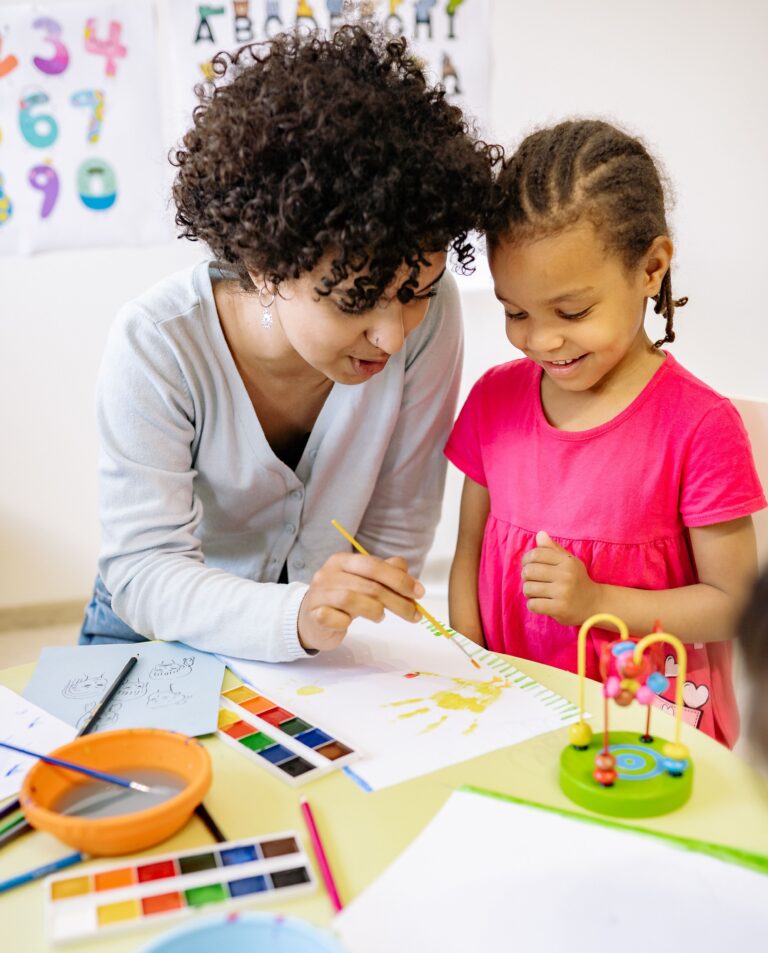
Located within the Department of Psychology, the InterBeing Lab is dedicated to extending the benefits of culturally-adapted mindfulness-based programs to families with young children.
The goal of these culturally-adapted MBIs is to address the prioritized health outcomes identified by our community partners, ensuring the reach and impact of the programs in the long term. Through our work, we aim to promote greater health equity for racial/ethnic minoritized families with young children.
Increasing Caregiver's Well-being, Supporting Child Flourishing
Our mission is to promote greater relational health and positive childhood experiences for young children and their families. We advance this mission by studying how reflective practices—such as mindfulness, self-compassion, and mindful parenting—can strengthen caregiver’s well-being and enhance their capacity to provide stable, nurturing, and attuned caregiving.
Supporting Families, Fostering Community Resilience
We strive to build equitable community partnerships to identify specific unmet needs among caregivers and families with young children across different settings and contexts.
Community-engaged research
Through equitable community-engaged research, we aim to work with our community partners to identify and prioritize their community needs to support their caregivers and families they serve through culturally-tailored and adapted mindfulness-based programs. This work seeks to accelerate the evidence-to-practice timeline to promote health equity for underrepresented families in MBI programming.
Ensuring MBIs Benefits are sustained
By detecting early indicators of ASD and other social disorders, we hope to enable timely, personalized interventions that support developmental progress, improving quality of life for children and their families.
Interdisciplinary research
Our lab brings together experts in psychology, neuroscience, and pediatrics to create a holistic understanding of infant behavior, ensuring our research is both impactful and applicable in clinical and real-world settings.
Research Goals

Insert Title
Lorem ipsum dolor sit amet, consectetur adipiscing elit, sed do eiusmod tempor.
Insert One Tag

Insert Title
Lorem ipsum dolor sit amet, consectetur adipiscing elit, sed do eiusmod tempor.

Insert One Tag

Insert Title
Lorem ipsum dolor sit amet, consectetur adipiscing elit, sed do eiusmod tempor.

Insert One Tag
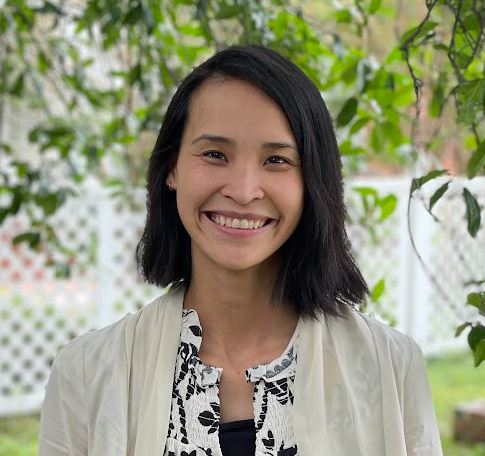
Dr. Tuyen Huynh
Assistant Professor, Department of Psychology
Dr. Tuyen Huynh is an Assistant Professor in the Department of Psychology at the University of South Carolina. Dr. Tuyen Huynh is an inaugural member of the Bridge to Faculty Program in the Department of Psychology at the University of South Carolina. She received her Ph.D. in Human Sciences, specializing in Child, Youth, and Family Studies, from the University of Nebraska-Lincoln. She completed her T32 NICHD-funded postdoctoral training programs at the University of Wisconsin-Madison, including the Health Disparities Research Scholars Program (2020-2022) and the Intellectual and Developmental Disabilities Research in the Waisman Center (2022-2023).
Mindfulness
Self-Compassion
Mindful Parenting
Parental Reflective Capacities
Parent-Child Synchrony
Community-Engaged Programs
Learn More
Importantly, Dr. Huynh is a first-generation scientist. Therefore, she is deeply committed to leveraging her efforts to promote diversity, equity, and inclusion through research, mentoring, and teaching scholars at different academic levels and from diverse demographic backgrounds. She enjoys spending time with her husband and their two children, biking around Columbia in her free time. She also loves gardening and knitting.
Research: Dr. Huynh has practiced mindfulness for 15 years, which has influenced her mindfulness scholarship. Specifically, Dr. Huynh’s research program integrates interdisciplinary approaches drawn from contemplative science (e.g., reflective practices such as self-compassion and mindfulness) and psychology (e.g., family systems perspective). Her work identifies ways to bolster intrapersonal and interpersonal relationships that implicitly and explicitly impact child and family well-being. She also considers different caregiver roles and family relationships that affect child development. Dr. Huynh’s overarching research agenda is to promote community resilience by strengthening family relationships and emphasizing a health equity approach to reach historically and persistently underserved minoritized communities.
Current Members
Our Alumni
Collin Taylor
Kayta Ellison
Our Lab Over The Years
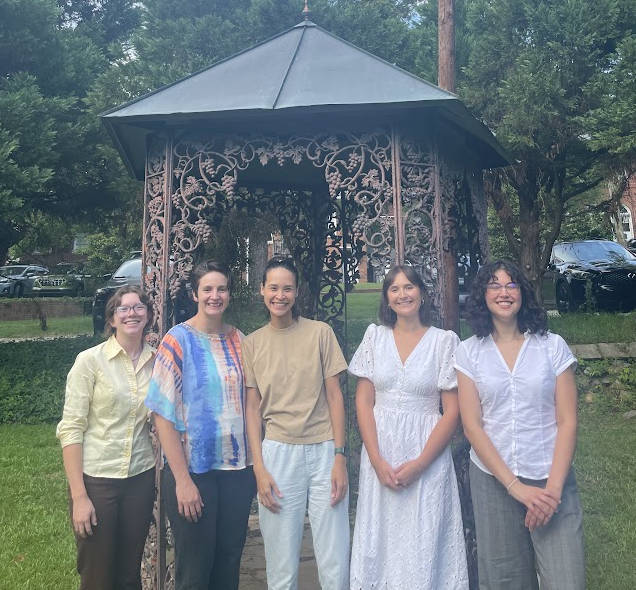
Pictured: the 2026 InterBeing Lab. Featured from left to right are Ellie Kate Grant, Rhoda Witmer, Tuyen Huynh, Ella Dubard, and Maddie Shelton.
Mindfulness
Self-Compassion
Mindful Parenting
Parental Reflective Capacities